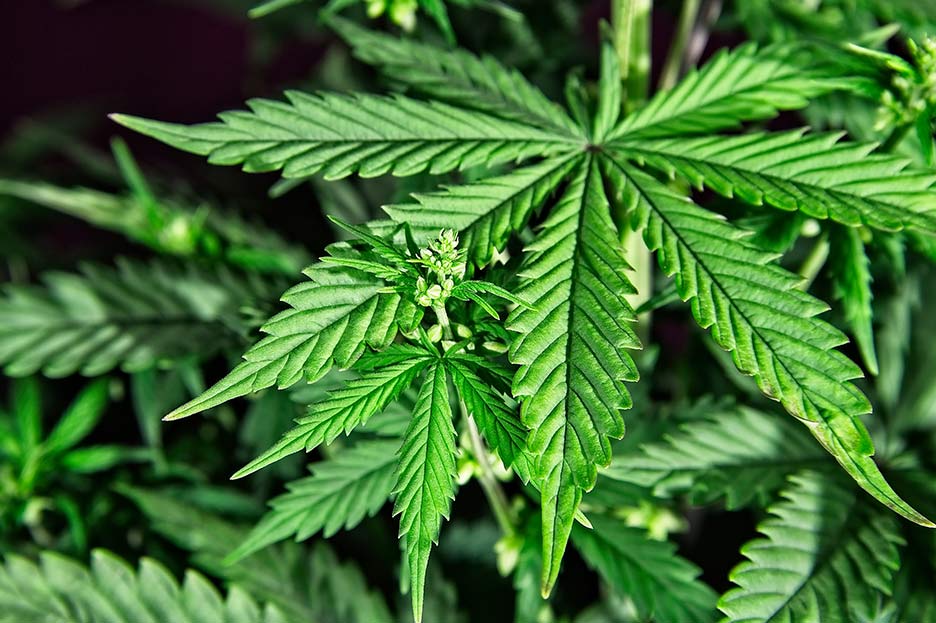
En nuestro país no está permitido el uso terapéutico del cannabis.
Pese a esta importante premisa, desde el Colegio de Farmacéuticos sabemos que hay un número importante de pacientes que están consumiendo la sustancia con esa finalidad. Ello tiene sus riesgos, ya que la carencia de control médico y la variabilidad en principios activos de la planta -como no está permitida, tampoco está controlado y estandarizado el porcentaje de principios activos de la planta que se consume en el mercado- hacen muy difícil un control suficiente que permita una buena dosificación y un seguimiento de su uso.
Por eso, y con la intención de disminuir los riesgos asociados al consumo por parte de aquellos pacientes que libremente han decidido tomar cannabis con finalidades terapéuticas, nos disponemos a facilitar información que minimice los daños asociados al consumo de la sustancia.
Creemos firmemente que éste es un acto de responsabilidad que pretende ofrecer datos realistas y objetivos sobre la planta y los efectos que produce.
En ningún momento estamos efectuando apología del cannabis, ni pretendemos incitaros a su consumo, únicamente pretendemos ofreceros información para un uso responsable, sin entrar en valoraciones, en espera de que las autoridades sanitarias decidan dar un paso de normalización y asuman que la mejor manera de eliminar riesgos y controlar tanto la calidad de la planta como la actuación de los pacientes es ubicándola en los circuitos sanitarios legalmente establecidos y bajo control médico y farmacéutico.
Mientras llega ese momento, creemos que es interesante para los pacientes que puedan acceder al PROSPECTO DEL CANNABIS, y así poder consultar en él cualquier aspecto relacionado con la sustancia, su uso y sus riesgos asociados.
USO TERAPÉUTICO y USO LÚDICO
Una diferencia sustancial
En el debate que existe actualmente sobre el cannabis, se ha hablado mucho de la legalización y de su uso lúdico y recreativo. Mucha gente ha aprovechado el debate sobre el uso terapéutico para defender el consumo de la sustancia fuera del ámbito paliativo. También han surgido algunas voces abogando por el consumo libre y defendiendo su inocuidad y atoxicidad, argumentando que «si se defiende el uso terapéutico, eso quiere decir que el cannabis es inofensivo y mira…, incluso puede curar o aliviar dolencias».
| Aprovechar el debate sobre el uso terapéutico para reforzar otros intereses ligados a la legalización y para extender el mensaje de que el cannabis es inofensivo es una falta de responsabilidad importante. |
Aquí hay dos debates totalmente distintos, y no es justo aprovechar la demanda y necesidades de muchos pacientes respecto de la sustancia para defender su uso recreativo, el cual requiere un abordaje y un debate totalmente diferente.
| El cannabis para uso terapéutico no tiene nada que ver con el consumo lúdico y recreativo. Los riesgos son diferentes, y los efectos, también. |
DESCRIPCIÓN QUÍMICA del cannnabis
Inflorescencias secas de la planta femenina de Cannabis sativa L.
Principios activos:
- cannabinoides, fundamentalmente delta-9-tetrahidrocanabinol (delta-9-THC: también denominado dronabinol),
- y en menor cantidad ácido delta-9-THC, delta-8-THC,
- cannabidiol
- y cannabinol.
En Holanda conocemos las dos variedades que se dispensan en las farmacias: Bedrocan y SIMM18. En España la composición en principios activos es desconocida, ya que se consigue la sustancia a partir de diferentes fuentes ilegales y sin control del producto.
Lo que sí podemos evidenciar es que se desaconseja totalmente el consumo de la resina (en el argot: hachís, chocolate), porque tiene una mayor concentración en principios activos -mayor posibilidad de intoxicación- y también contiene productos que se mezclan con la sustancia y pueden ser muy tóxicos.
INDICACIONES
Registradas
Tratamiento adicional para la mejoría de los síntomas en pacientes con espasticidad moderada o grave debida a la esclerosis múltiple (EM) que no han respondido de forma adecuada a otros medicamentos antiespásticos y que han mostrado una mejoría clínicamente significativa de los síntomas relacionados con la espasticidad durante un período inicial de prueba del tratamiento.
No registradas
- Problemas de médula espinal: contra el dolor, espasmos y convulsiones musculares.
- Cáncer y VIH/SIDA: dolor; vómitos y náuseas como efectos secundarios de la quimioterapia, la radioterapia y la medicación antirretroviral; como estimulante del apetito.
- Dolores crónicos de origen nervioso.
- Síndrome de Guilles de Tourette: ayuda a detener los tics.
Hay que recordar que el cannabis no juega ningún papel en la curación de estas dolencias. Sólo -en algunos casos y ante el fracaso de los fármacos existentes para abordarlas- puede ayudar a aliviar sus síntomas.
| Lo más aconsejable es, pese a que no esté autorizado en nuestro entorno, comentar con el médico la posibilidad de consumir el cannabis. |
También se habla de otras indicaciones, pero no hay suficientes estudios clínicos que las avalen.
CONTRAINDICACIONES
- Trastornos psicóticos.
- Pacientes con problemas psicológicos.
- Problemas de corazón: arritmias cardíacas, insuficiencia coronaria o pacientes que hayan tenido alguna angina de pecho o infarto.
- Contraindicado en personas que deban utilizar maquinaria o tengan que conducir. En este caso, se recomienda, si se ha consumido cannabis por vía inhalatoria, esperar como mínimo dos horas antes de conducir. Y si se ha tomado por vía oral -inhalación, cápsulas, con la comida…-, esperar al menos cuatro horas.
DOSIFICACIÓN
Es muy difícil establecer una buena pauta de dosificación, ya que estamos hablando de una sustancia con una gran variabilidad. Esta variedad en la dosis dependerá de la calidad y las características de la planta de la que se disponga. Lo mejor es aumentar la dosis poco a poco, esperando encontrar el efecto deseado. Es recomendable obtener siempre la sustancia de un mismo origen, ya que las posibilidades de que la cantidad de principios activos sean similares son más altas.
El cannabis medicinal se puede utilizar de diferentes maneras: infusión, inhalación o ingestión.
- La inhalación es la vía más rápida, porque los principios activos del cannabis van directamente a los pulmones y su absorción es más rápida. Se hace utilizando «vaporizadores», que son unos aparatos que calientan el cannabis y hacen que los principios activos se volatilicen y vayan a los pulmones una vez se han inhalado. La diferencia con la combustión (fumar) es que esta segunda opción es más nociva porque están presentes algunos agentes cancerígenos e irritantes para las vías respiratorias.
El efecto máximo en la inhalación se produce al cabo de 15 minutos, y la duración es de 2-3 horas. - En el caso de las infusiones, se debe añadir un poco de aceite, mantequilla o leche entera al agua, porque los cannabinoides son liposolubles (solubles en aceite) y no se solubilizan en agua. En este caso, los efectos se notarán a los 30-90 minutos, el efecto máximo se notará a las 2-3 horas y el efecto puede durar hasta 8 horas después de la administración.
Atención:
- La inhalación de cannabis tiene más posibilidades de producir efectos secundarios psicológicos. Sobre todo si el cannabis lleva mucho dronabinol -cosa que no podemos saber, porque no se trata de una sustancia controlada en la comercialización-. Por eso se recomienda empezar por una dosis baja o bien inhalando menos veces. Otra posibilidad es empezar por la infusión de cannabis en lugar de la inhalación. Pero también como infusión se tiene que empezar poco a poco.
- Es más difícil encontrar la dosis adecuada en la infusión que en la inhalación, ya que tarda más tiempo en hacer efecto. Se empieza siempre por una taza al día. Si no fuera suficiente, se puede subir la dosis hasta dos tazas al día.
- Hay que esperar una o dos semanas para poder juzgar los efectos. El efecto es menor después de un uso repetido.
- Como el cannabis que se consume en nuestro entorno no está controlado en cuanto a concentración de principios activos, hay que tener mucho cuidado con la dosificación.
La dosis depende mucho la persona y de la experiencia que haya tenido con el cannabis. Hay que empezar siempre con dosis pequeñas.
INTERACCIONES
- Antidepresivos inhibidores selectivos de la captación de serotonina: El THC puede aumentar el efecto de la fluoxetina.
- Antidepresivos tricíclicos: El THC puede aumentar los efectos secundarios de la amitriptilina, que serían taquicardia, hipertensión y sedación.
- Antiinflamatorios no esteroideos: La indometacina y el ácido acetilsalicílico reducen los efectos del THC.
- Barbitúricos: Aumentan los efectos depresivos del THC y también aumentan la taquicardia que provoca el consumo de THC.
- Benzodiazepinas: Pueden aumentar la depresión del sistema nervioso y a la vez también del sistema respiratorio.
- Beta-bloqueantes: Reducen la taquicardia asociada al THC.
- Etanol (alcohol): Puede aumentar el deterioro del sistema nervioso.
- Opiáceos: Aumentan la sedación y la analgesia.
- Teofilina: Los cannabinoides aumentan el catabolismo de la teofilina. Por tanto será necesario aumentar la dosis.
- Anticolinérgicos: La atropina y la escopolamina pueden aumentar la taquicardia producida por el THC.
- Disulfiramo: El THC interacciona con el disulfiramo, produciendo una reacción muy desagradable para el paciente. Evitar la asociación de las dos sustancias.
| Si se está tomando algún medicamento, hay que contrastar siempre que no interaccione con las sustancias que contiene el cannabis. |
EFECTOS SECUNDARIOS
Los efectos secundarios psicológicos que se pueden experimentar pueden ser muy diferentes. Depende de la calidad del cannabis, de la manera en la que se usa, de la experiencia que tiene el usuario con la sustancia y también del estado de ánimo a la hora de tomarlo.
Después de consumirlo, la persona puede tener una sensación de euforia que poco a poco cambia a una sensación de satisfacción, calma y tranquilidad. Otros efectos son: relajamiento, ataques de risa, apetito, gran sensibilidad para la música y los colores, cambio de sentido en el espacio y el tiempo y pereza. También puede tener lugar una falta de reacción, sobre todo durante las primeras horas después de la utilización. Después de la inhalación, las dos primeras horas son las más importantes; si la ingestión es oral, hay que tener en cuenta las primeras cuatro horas.
La percepción cambiada puede comportar sensaciones de miedo, pánico y confusión. Y en pacientes que no se encuentran bien, utilizarlo puede comportar una reacción negativa peor.
El consumo diario puede afectar a la memoria y a la capacidad de concentración.
Se han constatado casos con manifestaciones de intranquilidad e insomnio.
También puede llevar a una reacción psicótica, que se puede reconocer por las alucinaciones. Otros efectos secundarios son: taquicardia, hipotensión ortostática (cuando se está de pie), dolor de cabeza, mareo, tener frío y calor al mismo tiempo en los pies y en las manos, ojos enrojecidos, músculos adormecidos, boca reseca…
Si se fuma, se irritan las vías respiratorias y a la larga pueden aparecer enfermedades como bronquitis, faringitis, enfermedad pulmonar obstructiva crónica o cáncer de pulmón.
En caso de EMBARAZO y LACTANCIA
Se desaconseja su uso durante el embarazo y la lactancia, porque el cannabinol puede llegar al feto y también excretarse por la leche materna.
Hay estudios que evidencian una cierta relación entre el consumo de la sustancia durante el embarazo y ciertos aspectos del comportamiento del niño que entrarían dentro de la denominada función ejecutiva -atención/impulsividad y aquellas situaciones de resolución de problemas en las que se exige capacidad de integración y manipulación de habilidades perceptivas visuales elementales-.
RIESGO de DEPENDENCIA
El riesgo de dependencia es relativamente bajo cuando se administra cannabis durante un período corto de tiempo (por ejemplo, como tratamiento para reducir las náuseas y vómitos producidos por la quimioterapia). En el caso de un tratamiento más largo (dolor, esclerosis múltiple…), el riesgo de dependencia es más elevado, y en dichos casos será muy importante valorar el efecto beneficio/riesgo y tomar una decisión.
Algunos usuarios manifiestan padecer síndrome de abstinencia si dejan bruscamente el consumo. Este síndrome, que es moderado, se caracteriza por irritabilidad, nerviosismo, trastornos del sueño, hiperhidrosis (secreción de sudor exagerada) y anorexia.
Hay que aclarar que la dependencia viene determinada por factores más psicológicos que físicos.
| Hay que minimizar todo lo posible los riesgos asociados al consumo de cannabis para uso terapéutico. |
ADVERTENCIAS ESPECIALES
- El cannabis puede empeorar alteraciones psicológicas, especialmente en personas psicóticas. Por tanto es importante tener en cuenta esta premisa antes de decidir tomarlo.
- El uso del cannabis puede influir en la capacidad de concentración y reacción. Por eso se recomienda no conducir ningún vehículo ni utilizar maquinaria peligrosa si se ha consumido cannabis. Si, a pesar de todo, es imprescindible coger el coche, se deberá esperar como mínimo 2,30 h si se ha tomado por inhalación y 4-5 h si se ha tomado por ingestión.
- Los efectos secundarios psíquicos pueden dar lugar a un ataque de pánico. Es aconsejable estar acompañado si se utiliza cannabis por primera vez.
- El cannabis contiene productos de combustión nocivos, como por ejemplo materiales cancerígenos y monóxido de carbono.
- No se puede utilizar cannabis durante el embarazo ni la lactancia.
- Antes de utilizar cannabis, es muy importante conocer y contrastar la medicación que se está tomando.